
Fuel the Future You: Eat Smart Now, Grow Strong, Dream Big
You are building your brain, your bones and your energy for the next 60 years, right now. What lands on your plate today shapes the person you become tomorrow. This guide gives you the science, the surprising facts, a story that might feel familiar, and simple moves you can start today.
What is adolescent nutrition, really?
The food you eat between ages 10 and 19 is a once-in-a-lifetime build kit.
Definition. Adolescence is the stage of life between 10 and 19 years, according to the World Health Organization. Today about 1.3 billion young people are in this age group worldwide.[3] Adolescent nutrition means getting the right amount and the right mix of energy, protein, vitamins, minerals and water to fuel growth, learning, mood and activity during these years.
Why this stage is special. Nutrition experts describe adolescence as the second most important period of physical growth in life, after the first year of a baby’s life.[26] Height jumps, bones harden, muscles build, the brain rewires and, for girls, periods begin and iron needs rise.
Both sides of the coin. Malnutrition does not only mean being too thin. It also means too much of the wrong food, or too little of the right nutrients, sometimes at the same time. Scientists call this the double burden of malnutrition.[6]
Strong bones
Teen years are when most of your peak bone mass is laid down.
Steady energy
Fuel for school, sport, friends and focus.
Sharp brain
Iron, iodine and good fats support memory and learning.
Healthy heart
Habits set now follow you into adulthood.
The numbers that should make us all pause
Every figure below comes from a published report or journal article. Tap the small bracket numbers to jump to the source list.
Chart 1. A historic turning point (global)
Obesity has overtaken underweight
The world is moving, but not enough
Girls: 84.7% inactive
Boys: 77.6% inactive
Girls were less active than boys in almost every one of 146 countries studied.[19]
Chart 2. Continents and regions: two very different faces of malnutrition
2% (Europe & Central Asia) to 7% (South Asia)
26% (Europe & Central Asia) to 52% (West & Central Africa)
4% (East Asia & Pacific) to 40% (Middle East & North Africa)
Chart 3. Country spotlight
Anaemia in adolescent girls
Too much weight for height
Chart 4. Then and now: how fast things changed
Chart 5. Nepal at a glance (girls 15 to 19)
Nutrition status snapshot, NDHS 2022
Evidence-based facts, in plain language
- Global shift. In 2025, for the first time, obesity (9.4%) passed underweight (9.2%) among 5 to 19 year olds, and about 1 in 5 young people live with overweight. UNICEF links this to food environments full of ultra-processed foods and sugary drinks.[1]
- Obesity is rising almost everywhere. A Lancet adolescent health study found that overweight and obesity was the one indicator increasing for adolescents in almost every setting between 1990 and 2016. The number of overweight or obese adolescents more than doubled in that period.[4]
- Surprising: hungry and overweight at once. In 52 low and middle income countries, about 4.5% of adolescent girls had overweight or obesity and anaemia at the same time. A full stomach can still be short of iron.[22]
- Anaemia is stubborn. WHO reports that anaemia among adolescent girls is at levels similar to 2010, while close to 1 in 10 adolescents has obesity.[3] In some countries, including Bhutan, Yemen and India, more than half of young women had anaemia in 2016.[4]
- India. Anaemia among adolescent girls aged 15 to 19 rose from 54% to 59% between NFHS-4 (2015-16) and NFHS-5 (2019-21).[11] National survey data also showed about 24% of girls aged 10 to 19 were thin and about 5% overweight or obese.[12]
- China. Overweight and obesity among 6 to 17 year olds climbed from 5.7% in 1992 to 19% in 2015 to 2019, and was highest in northern China for children aged 8 to 13.[13]
- USA. About 21% of children and teens aged 2 to 19 had obesity in 2021 to 2023, and nearly 23% of those aged 12 to 19, the highest of any pediatric age group.[9]
- Nepal. Among girls 15 to 19, NDHS 2022 found 27% with short stature, 26% thin, 5% overweight and under 1% obese. Anaemia was 39%, and only 17% were taking iron and folic acid.[14] Anaemia odds were about 3.5 times higher in the Terai than elsewhere in one national analysis.[16]
- Hopeful: a weekly tablet works. Nepal’s school-based weekly iron and folic acid programme gives 60 mg iron and 400 micrograms folic acid. In a Kathmandu study, anaemia was 14% in schools running it and 20.9% in those not running it.[17]
- Screens shape cravings. A Medical University of Vienna study found many child and teen YouTube influencers promote foods high in fat, sugar and salt.[23]
- Movement gap. The Philippines had the highest inactivity among boys (93%) and South Korea among girls (97%) in the WHO activity study. No improvement was seen in girls from 2001 to 2016.[18]
- Risk countries to watch. Anaemia: India, Bhutan, Yemen, Bangladesh, Nepal and West and Central Africa. Excess weight: the USA, Middle East and North Africa, and fast-growing urban China and India. Both problems at once: many low and middle income countries.[4][6]
Note on the charts: they were built as lightweight interactive graphics inside this page so they load fast on any phone. Percentages come from different surveys, ages and years, so they are best used to see patterns, not to rank countries.
Your plate is a promise to your future self
Learning and focus
Iron carries oxygen to your brain. When iron runs low, tiredness, poor concentration and low mood can follow.[15]
Growth and performance
Protein, calcium and energy build height, muscle and bone. Too little can hold back growth. Too much of the wrong food can slow you down.
Lifelong disease risk
Excess weight in youth is linked to high blood pressure, high cholesterol and type 2 diabetes, and obese teens often become obese adults.[8]
Mood and mental wellbeing
Regular meals, good sleep and movement go hand in hand with steadier mood and energy.
Protection for the next generation
Healthy girls become healthy mothers. Anaemia in mothers is linked to risks for both mother and baby.[22]
Prevention is cheaper than cure
WHO now urges a whole-school approach so every food and drink in and around schools supports a healthy diet.[24]
When nutrition goes off track
Most of these problems build slowly and quietly. Knowing the early signs is your superpower.
| Problem | What it is | Early signs | Prevention in one line |
|---|---|---|---|
| Iron deficiency anaemia | Not enough healthy red blood cells, common in girls once periods start. | Tiredness, pale skin, dizziness, headaches, poor focus, breathlessness. | Iron-rich foods with vitamin C, weekly iron-folic acid where offered. |
| Overweight and obesity | Too much body fat for age and height, linked to energy-dense, sugary, ultra-processed food and low activity. | Fast weight gain, breathlessness on exercise, snoring, dark skin patches at neck. | Water over sugary drinks, home-style meals, 60 minutes of daily movement. |
| Thinness and stunting | Too little energy or nutrients over time, leading to low weight or short height for age. | Frequent illness, low energy, delayed puberty, slow growth. | Three meals plus two nutritious snacks, protein at each meal. |
| Hidden hunger (micronutrient gaps) | Low vitamin A, D, iodine, zinc or calcium even when calories are enough. | Poor night vision, weak bones, frequent infections, tiredness. | Eat a rainbow, use iodised salt, get safe daytime sunlight. |
| Type 2 diabetes and heart risks | Rising blood sugar, pressure and cholesterol, once seen mostly in adults. | Extreme thirst, frequent urination, tiredness, often none at all. | Cut sugary drinks, stay active, regular check-ups if family history. |
| Eating disorders | Serious mental health conditions around food, weight and body image. | Skipping meals out of fear, secret eating, sudden big weight change, intense body worry. | Respect your body, avoid crash diets, talk early to a trusted adult or doctor. |
| Dental decay | Cavities driven by frequent sugary snacks and drinks. | Tooth pain, sensitivity, dark spots. | Limit sweet sipping, brush twice daily with fluoride toothpaste. |
Think you know? Tap to find out
MYTH“Skipping meals is the fastest way to stay slim.”Tap to reveal the fact
FACT Skipping meals often leads to overeating later, low energy and poor focus. Regular meals with protein and fibre keep energy steady. Crash diets can also harm growth in teens.
MYTH“Only thin people can be malnourished.”Tap to reveal the fact
FACT Malnutrition includes too little and too much. Studies show some adolescent girls have overweight and anaemia together.[22]
MYTH“Energy drinks and sugary sodas give healthy energy.”Tap to reveal the fact
FACT They deliver sugar and often caffeine, not nutrition. UNICEF names sugary drinks and ultra-processed foods as key drivers of rising obesity in young people.[1] Water, milk, buttermilk or fresh fruit are better choices.
MYTH“Iron tablets are only for sick people.”Tap to reveal the fact
FACT Weekly iron-folic acid is a prevention programme for healthy school girls. In Nepal girls who took the tablets were far less likely to be anaemic in one study.[17]
MYTH“Healthy food is expensive and boring.”Tap to reveal the fact
FACT Lentils, beans, eggs, seasonal vegetables, groundnuts, curd and local fruit are affordable and tasty. Variety and home cooking matter more than fancy products.
MYTH“If I exercise, I can eat anything.”Tap to reveal the fact
FACT Movement is vital, but food quality still decides how your body grows and how your heart and bones develop. Both together work best.
MYTH“Boys do not get anaemia or need to care about nutrition.”Tap to reveal the fact
FACT In Nepal’s national micronutrient survey, anaemia affected about 1 in 10 adolescent boys and 1 in 5 girls aged 10 to 19. Boys who ate flesh foods had lower anaemia odds.[15]
MYTH“Social media diets and influencer food trends are safe.”Tap to reveal the fact
FACT Research shows many young influencers promote high fat, sugar and salt foods.[23] Check claims against WHO, UNICEF, your doctor or a registered dietitian.
Anita’s comeback: from tired to unstoppable
Five chapters. One small decision at a time.
“I just feel tired all the time.”
Anita, 15, lives in a town in Nepal’s Terai. She skips breakfast to avoid being late, buys a packet of noodles and a sweet drink at the school gate, and eats her main meal late at night. Lately her head spins when she stands up. Her grades slide and she stops joining friends for games.
A health worker visits her school
A school health talk explains something new to Anita: iron deficiency anaemia is common among adolescent girls, and Nepal runs a weekly iron and folic acid programme in schools. A simple finger-prick test shows her haemoglobin is low.[17]
Same family kitchen, smarter plate
Anita starts eating a plate of rice, dal, dark leafy greens and an egg, with a squeeze of lemon (vitamin C helps the body absorb iron). She keeps tea for between meals, not with them, because tea can reduce iron absorption. Noodles become an occasional treat. Water replaces the sweet drink.
Energy returns, and so does laughter
After a few weeks her dizziness fades. She joins her friends for volleyball after school and walks instead of taking a ride when she can. She sleeps earlier and her mood lifts. Teachers notice she is back to raising her hand.
One teen becomes a ripple
Anita starts a small health club at school. Friends swap packet snacks for roasted peanuts and fruit. Her younger sister takes her weekly tablet without being reminded. A year later her haemoglobin is normal, and she dreams of becoming a nurse.
Your action plan, one bite and one step at a time
Build your plate
A simple guide in line with WHO healthy diet advice: fill about half your plate with vegetables and fruit, a quarter with whole grains, and a quarter with protein. Add dairy or a calcium source and drink water.
Beat anaemia
Eat iron foods: lentils, beans, dark leafy greens, eggs, meat, fish. Add vitamin C (lemon, amla, citrus, guava) in the same meal. Keep tea and coffee away from meals. Take school iron-folic acid tablets as advised.
Build bones
Calcium from milk, curd, cheese, small fish with bones, tofu, finger millet and greens. Get safe daily sunshine for vitamin D. Use iodised salt, in small amounts.
Hydrate smart
Make water your main drink. Keep a bottle with you. Treat soda, energy drinks and packaged juice as rare extras, not daily fuel.
Easy swaps that work
| Instead of | Try | Why |
|---|---|---|
| Skipping breakfast | Egg or peanut butter roti, curd with fruit, poha with peanuts, oats with milk | Steadier energy and focus in class |
| Packet noodles and chips | Roasted chickpeas, peanuts, popcorn, fruit, boiled corn | More fibre and protein, less salt and refined starch |
| Soda or energy drink | Water, lemon water, buttermilk, coconut water, milk | Less sugar, kinder to teeth and weight |
| Fried street snacks daily | Steamed momo with veggies, grilled or boiled snacks, sel roti occasionally | Lower fat, enjoy treats in balance |
| Tea with meals | Tea or coffee at least an hour apart from meals | Helps iron absorption |
Try the 7-habit challenge
Tick the habits you did today. Your meter fills up as you go.
0 of 7 habits today
WHO guidance for ages 5 to 17
- 60 minutes a day of moderate to vigorous physical activity on average, mostly aerobic (walking, cycling, swimming, running, dancing, sport).[31]
- 3 days a week include vigorous activity and exercises that strengthen muscle and bone, such as jumping, climbing, push-ups or skipping rope.[31]
- Sit less. Break up long periods of sitting and limit recreational screen time.[31]
- Small chunks count. WHO experts say it can be many short bursts that add up to 60 minutes.[18]
A realistic day, no gym needed
Morning: 10 minutes of stretching or surya namaskar.
School: walk or cycle part of the way, play during break.
Evening: 30 minutes of football, volleyball, badminton, dance or a brisk walk with friends.
Home: 10 minutes of squats, push-ups and skipping.
Total: about 60 minutes. Pick what is fun and you will keep doing it.
Protect your sleep
Teens usually need around 8 to 10 hours. Keep a regular bedtime, keep screens out of bed, and avoid caffeine late in the day.
Watch food ads
Ads and influencers often push sugary, salty, fatty foods.[23] Ask: who is selling, and what do they gain?
Be kind to your body
Bodies change fast in puberty. Aim for strong and energetic, not a filter. Avoid crash diets and weight talk that makes you feel ashamed.
When to seek medical advice
See a doctor, nurse or health worker if you notice:
- Constant tiredness, dizziness, headaches, pale skin or breathlessness
- Very heavy or very irregular periods, or periods that stop
- Rapid weight gain or loss without a clear reason
- Extreme thirst, frequent urination, or dark patches of skin on the neck or armpits
- Frequent illness, slow growth, brittle nails or hair loss
- Pain in bones or repeated fractures
Talk to a trusted adult and a professional early if:
- You feel scared of food, or guilty after eating
- You skip meals on purpose to control weight, or make yourself vomit
- Thoughts about food or body shape take over your day
- You feel low, anxious or hopeless about your body or life
You deserve support, not shame. If you are in danger or thinking of harming yourself, contact your local emergency number or a crisis line right away.
This guide is for education and is not medical advice. Please consult a qualified health professional about your own health, supplements or diet changes.
Videos worth your time
Short, real-world videos from nutrition programmes and research groups. Tap a thumbnail to open it on YouTube.
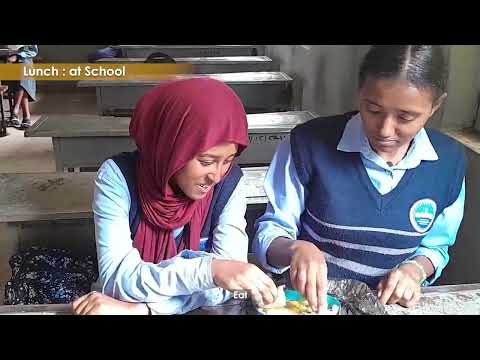

More video and learning pages
Video availability and thumbnails depend on YouTube and your internet connection. If a thumbnail does not appear, the link still works.
Go deeper, and take it with you
7-day healthy habit tracker
A printable weekly sheet to tick off food, water, movement and sleep.
Teen plate and swap cheat sheet
A one-page summary of the plate, iron tips and snack swaps.
Save this whole guide
Print or save as PDF from your browser to share with school or family.
Official reports and downloadable PDFs
Source list
- UNICEF (2025). Feeding Profit: How food environments are failing children. Child Nutrition Report 2025. unicef.org/reports/feeding-profit; summary figures also at IAS Gyan.
- UNICEF South Africa (10 Sept 2025). Obesity exceeds underweight for the first time among school-age children and adolescents. unicef.org. Counts of 188 million with obesity vs 184 million underweight: newsGP.
- WHO (Sept 2024). Securing adolescent health and well-being today is vital for the health of future generations. News-Medical coverage.
- Patton GC et al. (2018/2019). Global patterns of adolescent health, The Lancet. Press summary: EurekAlert.
- Research Matters (2019). Study of adolescent well-being (Lancet) paints grim picture for India. researchmatters.in.
- Lelijveld N, Wrottesley S et al. (2022). Nutritional status of school-age children and adolescents in low and middle income countries across seven global regions: a synthesis of scoping reviews. Public Health Nutrition. Cambridge Core.
- Zhang X et al. (2024). Global prevalence of overweight and obesity in children and adolescents: a systematic review and meta-analysis. JAMA Pediatrics 178(8):800-813. PubMed.
- GBD 2021 Forecasting Collaborators (2025). Global, regional, and national prevalence of child and adolescent overweight and obesity, 1990-2021, with forecasts to 2050. The Lancet. doi:10.1016/S0140-6736(25)00397-6. PMC. CDC on health effects of childhood obesity: cdc.gov.
- CDC/NCHS (2025). Obesity prevalence 2021-2023, children and adolescents 2 to 19 years. Summary: Becker’s Hospital Review; ABC News.
- Ogden CL et al. (2012). Prevalence of obesity among children and adolescents: United States, trends 1963-1965 through 2009-2010. CDC/NCHS. cdc.gov.
- India NFHS-4 and NFHS-5 analysis of anaemia in adolescent females 15 to 19 years. News-Medical; The Quint.
- Comprehensive National Nutrition Survey (India, 2016-18) as reported in: Nutritional status of adolescent females, Gujarat. Cureus. PDF.
- Prevalence and Risk Factors for Obesity and Diabetes in Youth (PRODY) study, China (2021). JAMA Network Open. PMC. Earlier trends: Sun H et al. (2014) PLOS ONE, PMC.
- Khanal P (2023). Malnutrition and anemia prevalence in adolescent women of Nepal, using NDHS 2011, 2016 and 2022. Patan Prospective Journal 3(2):96-103. NepJOL.
- Ford ND et al. (2022). Factors associated with anaemia among adolescent boys and girls 10 to 19 years old in Nepal. Maternal and Child Nutrition. DOAJ.
- Rai A, Chan MT, Nambiar S (2023). Social and ecological disparities in anaemia among adolescent girls 15 to 19 years old in Nepal. Public Health Nutrition 26:2973-2981. DOAJ.
- Prevalence of anemia among adolescent girls in WIFAS and non-WIFAS schools, Tokha, Kathmandu. PLOS Global Public Health. doi:10.1371/journal.pgph.0002515.
- UN News (21 Nov 2019). Four in five adolescents failing to exercise for even 60 minutes a day. news.un.org.
- Guthold R et al. (2020). Global trends in insufficient physical activity among adolescents: a pooled analysis of 298 population-based surveys. The Lancet Child & Adolescent Health. Summary: HealthDay.
- WHO Europe / Down To Earth (2024). Fewer than two in five adolescents eat fruits or vegetables daily. downtoearth.org.in.
- UNICEF Bangladesh and Ministry of Health (2022). Shorno Chef programme coverage, The Daily Star. PDF.
- Irache A, Gill P, Caleyachetty R (2022). The co-occurrence of overweight/obesity and anaemia among adult women, adolescent girls and children in 52 low and middle income countries. Public Health Nutrition. PMC.
- Medical University of Vienna study on child and teen influencers on YouTube promoting unhealthy foods. The International.
- WHO (2026). Guideline recommending a whole-school approach to healthy food in and around schools. DevelopmentAid summary.
- WHO. Adolescents: health risks and solutions (fact sheet, 2016 data on overweight and iron deficiency anaemia). who.int.
- GAIN and WHO. Adolescents take a stand: adolescent nutrition as the second most important period of physical growth. gainhealth.org.
- Alive & Thrive. Building the future of girls (video). aliveandthrive.org.
- UNICEF India. Adolescent Health and Nutrition (video). iec.unicef.in.
- ENN, UNICEF and Save the Children (2021). Adolescent Nutrition: Current progress and looking ahead (webinar). ennonline.net.
- UNICEF (2025). Child Nutrition Report 2025 data tables. PDF.
- WHO. Physical activity fact sheet and 2020 guidelines on physical activity and sedentary behaviour. who.int.